

One Chance
Loading game…
One Chance
Most games are built to be replayed. One Chance is built to refuse. It saves the fact that you have played it and then declines to start over, so whichever of its endings you reach is the ending you get. That design choice was the reason the game spread the way it did in 2010, and it is still the reason people talk about it: it takes the ordinary, weightless act of making a choice in a video game and makes it stick.
A note before you start: the story deals with terminal illness, grief and suicide. It is short, bleak and deliberately uncomfortable. If that is not what you are looking for, this is not the game to click into casually.
Six Days and a Save File You Cannot Undo
You play John Pilgrim, a scientist whose research team has just cured cancer. The celebration lasts one day. The next morning's newspaper reports that the compound does not stop at cancerous cells — it destroys living tissue indiscriminately, it is already spreading, and the world has roughly six days left. What follows is not a puzzle to solve. It is six mornings, and each morning you decide where John goes.
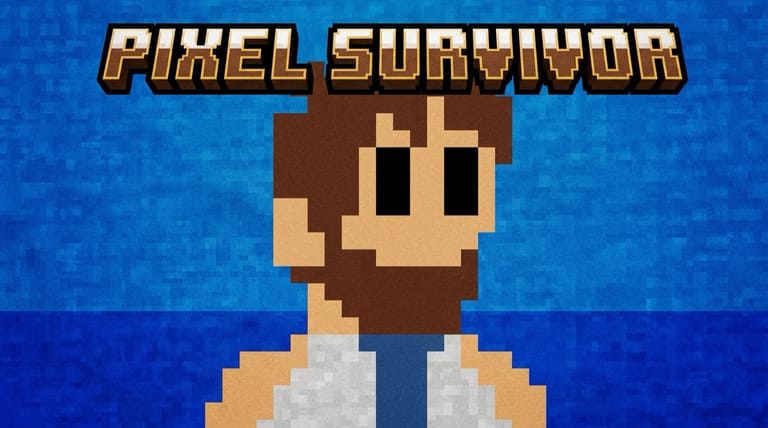
Awkward Silence Games built the whole thing as a small pixel-art side-scroller: you walk left and right, and you press space to interact. There is no inventory, no combat, no failure screen. The mechanics exist purely to make you physically walk towards the choice you are making, which is a much heavier act than clicking a dialogue option.
How a Day Is Structured
Each day opens at home. From there you can head to the lab and keep working on a counter-agent, stay with your family, or go somewhere else entirely — the game leaves those options open without signposting which one is correct, because none of them are. The consequences of a day's choice show up in later days rather than immediately, so by the time you understand what your pattern of decisions has been building towards, several of the days are already spent.
There are multiple endings, and which one you reach depends on the shape of the whole week rather than one pivotal decision. A player who works every day gets a different last scene from one who never goes in, and both differ again from someone who wavered. The game does not rank them. There is no best ending to aim for.
Controls
| Action | Control |
|---|---|
| Walk left / right | Left / Right arrow keys |
| Interact | Space |
Playing It the Way It Was Meant to Be Played
The single-playthrough lock is enforced by browser storage, which means it is technically easy to defeat — a private window or cleared site data gets you a fresh run. Whether you should is the question the game is quietly asking. Everything about it is engineered around the assumption that you cannot go back, and looking up the other endings before you finish removes most of what makes the twenty minutes worth spending.
If you do play it straight, two suggestions. Read everything, because the newspaper headlines and the incidental dialogue carry most of the story and there is no way to revisit them. And do not optimise. There is no score, no completion percentage, and no reward for picking the productive option. Choose what you would actually choose, which is a strange and slightly unpleasant instruction to follow, and exactly the one the game wants you to be given.
One Chance came out of the Flash portal scene at a moment when short, serious, mechanically minimal games were starting to be taken seriously as a form, and it remains one of the clearest examples of a browser game using a technical constraint — a saved cookie — as its entire artistic argument.
Frequently Asked Questions
Can I really only play it once? Once per browser, yes. The game records that you have played and will not restart. Clearing site data or opening a private window bypasses that, but doing so undercuts the point of the design.
How long does a playthrough take? Around fifteen to twenty minutes. It is deliberately short, and the six in-game days pass quickly.
How many endings are there? Several, determined by the overall pattern of how you spend the six days rather than by a single decision.
Who is John Pilgrim? The scientist you play as — a researcher whose team develops the cure that turns out to be lethal, and who spends the game's six days deciding what to do with the time left.
Is there a way to save everyone? No. The premise is that the outcome is already set, and the game is about what you do with the days rather than whether you can win them.