

Desktop Tower Defense
Loading game…
Desktop Tower Defense
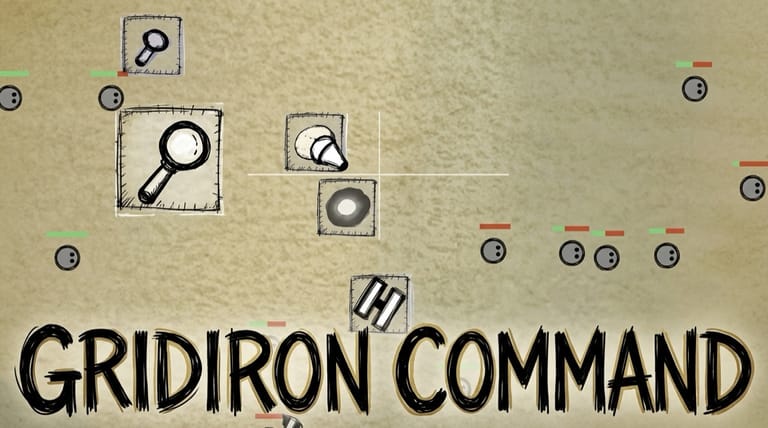
Paul Preece's 2007 hit opens with something most tower defense games never show you: a completely empty field. There is no painted track, no arrows, no route. Creeps walk in one side and head for the other, taking whatever way through is shortest at that moment, and the only thing standing between the two is whatever you have built. Every tower you place is simultaneously a gun and a wall, and learning to think about it as both at once is the whole game.
The Field Is Empty and That's the Point
Because creeps navigate around your towers rather than along a designer's line, the length of their walk is something you author. Ten seconds of walking past your guns is worth more than any single upgrade you could buy with the same money, so experienced players spend their first minutes laying out cheap towers purely as structure and worry about damage afterwards.
There is one rule that keeps this from collapsing into a wall: you cannot seal the field. The game refuses any placement that would leave no route at all, so the best you can do is force a long, folded corridor. That constraint is what turns the empty notepad into a design problem instead of a blockade puzzle.
Controls
| Action | Control |
|---|---|
| Select and place towers | Left mouse button |
| Upgrade or sell a tower | Click the placed tower |
Building a Maze That Holds
- Fold the path, don't just lengthen it. A switchback where the corridor runs back alongside itself lets one tower in the middle cover both lanes. That doubling is where the real damage comes from.
- Leave your gaps deliberately. Creeps take the shortest available route, so a single one-square opening in the right place pulls the whole column through the section you have covered.
- Put slowing towers at the entrance to a long run. Everything downstream of a slow gets more time under fire, so slows are worth far more early in the corridor than late.
- Watch the re-path. Adding or selling a tower recalculates every creep's route instantly, and a build that looks clever can send the current wave straight out an exit you forgot about. Place while the field is calm if you can.
- Flying waves ignore all of it. Air units cross in a straight line from entrance to exit, so a beautiful maze with no anti-air along that direct line is the single most common way a promising run falls apart.
Tower Roles Without the Names
Think of your build in three jobs. The cheapest tower is your bricklayer — you will place dozens of them, and most of their value is in the shape they make. Your damage towers want the inside corners of switchbacks, where their range overlaps two or three passes of the same corridor. Your anti-air wants to sit near the straight line between where creeps enter and where they leave, because that is the only route flyers will ever take.
Money is tight enough early that overbuilding damage before the maze exists is the classic beginner mistake. The corridor comes first; the guns fill it in.
Why It Mattered in 2007
Tower defense before this mostly lived inside custom maps for Warcraft III and StarCraft — you needed the retail game and a map download to play one. Desktop Tower Defense put the whole genre in a browser window, dressed as a doodled notepad, and it spread everywhere. It is one of the games most directly responsible for tower defense becoming a standalone genre rather than a mod format, and the maze-building variant it popularised is still how a large share of the genre plays today.
Frequently Asked Questions
Can I block the creeps in completely? No. The game will reject a tower placement that leaves no route through the field, so the goal is the longest legal corridor rather than a sealed wall.
Why did the creeps suddenly change direction mid-wave? They recalculate their route every time the layout changes. Selling or adding a tower during a wave can reroute the entire group.
What stops flying enemies? Only towers that can hit air, positioned along the direct line between the entry and exit points. The maze has no effect on them at all.
Is a longer maze always better? Up to a point. A long corridor with too few guns in it just means creeps stroll a long way unharmed, so extend the path and add firepower to it in step.
Who made Desktop Tower Defense? Paul Preece released it in 2007, and it went on to be played an enormous number of times across the browser gaming sites of the era.